Fans First: How the LaPac Boys Army Turned Passion Into a Full-Blown Movement
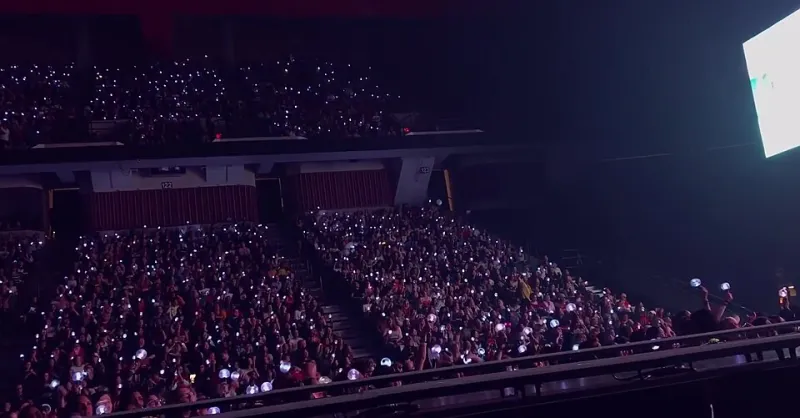
Photo: NamiiCho, CC BY 3.0, via Wikimedia Commons
There's a moment every LaPac Boys fan knows. Maybe it was a late-night YouTube rabbit hole. Maybe a friend slid a track into a group chat with zero context. Maybe it was catching a set at a regional festival and thinking, who are these guys? However it happened, the click was instant — and for thousands of people across the US, that moment marked the beginning of something way bigger than just discovering a new favorite group.
The LaPac Boys fanbase has become a genuine cultural force. We're not talking about a passive audience that streams albums and calls it a day. We're talking about an organized, creative, fiercely loyal community that has run social media campaigns, coordinated city-wide meetups, and built regional chapters that feel more like crews than fan clubs. If you want to understand how LaPac Boys went from underground buzz to sold-out venues, you have to start with the people.
The Early Days: Comment Sections and Shared Links
Ask any long-time fan and they'll tell you the early community was built in the margins — comment sections, Discord servers that had maybe 40 people in them, Reddit threads where someone would post a deep cut and the whole page would light up. It was scrappy, unorganized, and completely electric.
"I found them through a repost on Twitter," says Deja M., a 26-year-old from Atlanta who now runs one of the most active LaPac Boys fan accounts on Instagram. "Nobody I knew in real life had heard of them yet, so the internet was the only place to talk about it. That Discord became my whole social life for like six months."
That kind of intensity was common in those early days. Fans weren't just consuming — they were curating, creating, and connecting. Playlist threads, lyric breakdowns, fan art drops. The community had a creative energy that mirrored the group itself, and that parallel wasn't lost on the most dedicated members.
Going Regional: When Online Became IRL
At some point, virtual wasn't enough. Fans started organizing in person, and the results were genuinely impressive. In cities like Houston, Chicago, Los Angeles, and Philadelphia, local fan groups began hosting listening parties, pop-up meetups, and even unofficial pre-show gatherings outside venues before LaPac Boys came through town.
Marcus T., a 31-year-old from Chicago, helped put together what he describes as a "block party vibe" event in Wicker Park ahead of a show last year. "We got maybe 80 people to show up, played the discography start to finish, had some local food vendors, people were trading merch," he says. "It wasn't affiliated with the group at all. We just did it because we wanted to."
That kind of grassroots initiative is exactly what separates the LaPac Boys community from a typical fanbase. Nobody's being directed to do this stuff. It's organic, self-sustaining, and frankly more creative than a lot of official marketing campaigns.
The Social Media Machine
If the meetups are the heartbeat, social media is the nervous system. LaPac Boys fans have run hashtag campaigns that trended nationally, organized coordinated streaming pushes on release days, and built TikTok communities where fan-made edits and reaction videos rack up millions of views.
There's a whole ecosystem of fan creators — video editors, graphic designers, writers — who produce content that rivals what you'd see from a professional media team. Some of it is so polished it genuinely gets mistaken for official content. The dedication is real, and so is the skill.
"I taught myself video editing because I wanted to make better LaPac Boys content," admits Priya S., a college student from Dallas. "That sounds kind of wild but it's true. Now I edit videos for other stuff too and I'm actually thinking about doing it professionally. The community kind of pushed me toward that."
Stories like Priya's pop up constantly in fan circles — people who developed real skills, real friendships, and real confidence through their involvement in the community. It's one of the quieter but more meaningful parts of this whole story.
Superfans and the Concert Experience
Nothing brings the community together like a live show. For LaPac Boys fans, concerts aren't just events — they're reunions. People who've known each other for years through screens finally meet in person. Friendships that started in a Discord server get cemented in a crowd.
Keenan L. from Philadelphia has attended 14 LaPac Boys shows across seven states. He keeps a journal of each one. "Every show feels different, but the crowd energy is always the same," he says. "You can tell these are your people. Everyone knows every word, everyone's locked in. There's a shared language."
That shared language is part of what makes the community so cohesive. Inside jokes, specific song references, call-and-response moments that only the real ones know — it creates a sense of belonging that's hard to manufacture and impossible to fake.
What It Means for LaPac Boys
The group has acknowledged the fanbase in interviews, and the relationship feels genuinely reciprocal. This isn't a one-way street where fans pour energy into a machine that barely notices them. There's a mutual respect built into the DNA of how LaPac Boys operate — and their fans feel it.
For a group that built everything independently, having a community this dedicated isn't just heartwarming. It's strategic. The fanbase is the marketing department, the street team, the PR machine. And they do it for free, with love, because they believe in what LaPac Boys represent.
From those first comment section conversations to coordinated nationwide campaigns, the LaPac Boys community has proven that the most powerful force in music isn't a label deal or a playlist placement. It's people who genuinely care — and are willing to put in the work to show it.