No Filters, No Facades: How LaPac Boys Rewrote the Rules on Being Real With Their Fans
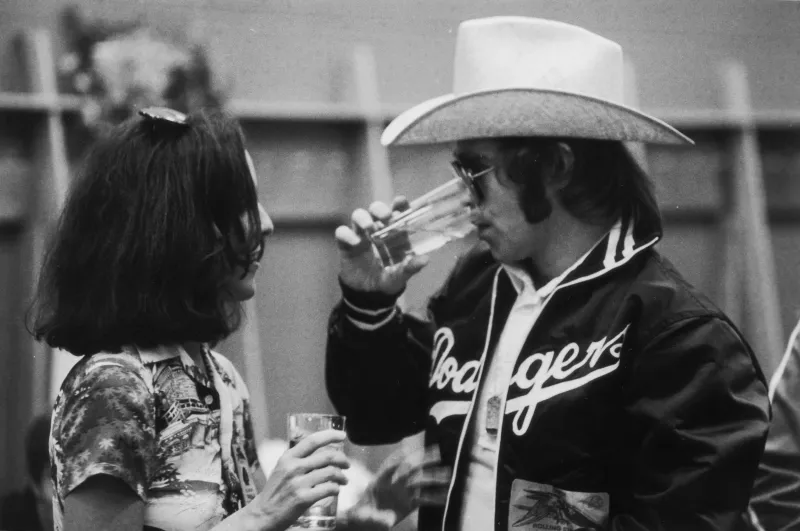
Photo: musicians candid backstage conversation fans authentic moment, via hips.hearstapps.com
There's a version of the music industry that runs on carefully curated mystery. Artists drop albums with zero warning, show up to red carpets looking effortlessly perfect, and keep the messier parts of their lives tucked safely behind a team of publicists. For a long time, that was just how it worked. Fans accepted the performance because it was all they were ever offered.
Then the LaPac Boys showed up and kind of blew the whole thing up.
Not with some big announcement or a brand strategy built around "realness." It happened gradually, almost accidentally — through late-night livestreams where they talked about money problems, through social posts that admitted when a recording session fell apart, through candid conversations about the business side of music that most artists treat like classified information. And somewhere along the way, fans stopped just enjoying the music and started feeling genuinely invested in the people making it.
That shift matters more than it might seem.
The Moment People Started Paying Attention Differently
If you've been riding with LaPac Boys for a while, you probably remember the livestream. You know the one. It wasn't polished. The audio was a little rough, someone kept getting up to adjust the camera, and the whole thing ran almost forty minutes longer than planned. But what happened during that stream — a raw, unscripted breakdown of a deal that had fallen through, why it fell through, and what it was going to cost them — landed differently than anything they'd released in months.
The comment section didn't blow up with sympathy or outrage. It filled up with questions. Real ones. Fans wanted to understand the details, the contract language, the power dynamics at play. LaPac Boys answered as many as they could in real time. By the end of the night, a significant chunk of their audience had gotten an informal crash course in how the music industry actually operates.
That's not a typical fan experience. That's something else entirely.
Transparency as a Creative Statement
What makes LaPac Boys' approach interesting isn't just that they share more than most — it's what they choose to share and how they frame it. There's no performative vulnerability happening here, no calculated oversharing designed to trend on social media. When they talk about the creative process, it's often in the middle of it, not after the fact when everything has been smoothed over by hindsight.
They've posted voice memos that didn't make the cut. They've talked openly about creative disagreements within the group. They've shared the specific reasons behind decisions that fans were questioning, even when those explanations were complicated and didn't make the group look perfect. That willingness to sit in the discomfort of an unresolved moment — rather than waiting until they can present a tidy resolution — is genuinely rare in this industry.
For fans, it creates a kind of intimacy that streaming numbers and sold-out venues can't replicate. You're not just consuming the output. You're watching the work happen.
What It Does to Fan Loyalty
Here's the thing about radical honesty: it raises the stakes on both sides. When an artist lets you in that close, you start rooting for them differently. It's not just "I hope this album does well." It becomes something closer to "I know what it cost them to make this, and I want it to land."
LaPac Boys fans talk about this constantly in forums, Discord channels, and comment sections across the internet. There's a recurring theme in those conversations — a sense that following this group feels less like fandom and more like being part of something ongoing. When a new project drops, people aren't just reacting to the music. They're connecting it to everything they already know about the process behind it.
That kind of loyalty is hard to manufacture and even harder to shake. It also translates directly into behavior. LaPac Boys fans show up. They buy the merch, they stream the deep cuts, they spread the word without being asked. Not because they feel obligated, but because they feel connected.
The Ripple Effect on the Wider Industry
It would be too much to say LaPac Boys single-handedly changed how artists communicate with their audiences. But it's not too much to say they've been part of a broader pressure that's making the old model feel increasingly out of touch.
Fans who've grown up following groups like LaPac Boys have recalibrated their expectations. They notice when an artist goes silent during controversy. They notice when behind-the-scenes content feels staged. They notice when an "authentic" moment has clearly been workshopped by a social media team. And increasingly, they call it out.
Other artists have taken note. Some have leaned further into transparency in ways that feel genuine. Others have tried to mimic the aesthetic of openness without actually offering anything real — and fans have generally been pretty good at telling the difference. The bar has moved, and LaPac Boys helped move it.
The Line Between Open and Overexposed
One thing worth acknowledging: LaPac Boys have also shown some real instincts about where to draw the line. Transparency doesn't mean every thought gets broadcast. There are personal matters they've kept personal, relationships they've kept out of the narrative, and moments where they've clearly decided that something wasn't the public's business. That restraint is part of what makes the openness feel trustworthy rather than desperate.
There's a difference between an artist who shares because they want a genuine relationship with their audience and an artist who overshares because they're chasing engagement metrics. LaPac Boys have consistently felt like the former. Their fans seem to understand that instinctively, which is probably why the trust between them has held even through the rough patches.
Why This Keeps Mattering
The music industry is in a weird place right now. Streaming has democratized access but also flattened the emotional experience of discovering and following an artist. Everything is available all the time, which means nothing feels particularly scarce or special. In that environment, genuine connection is one of the few things that still cuts through.
LaPac Boys figured that out — maybe by design, maybe by instinct, probably some combination of both — and built something that a lot of acts with bigger budgets and more industry backing still haven't managed. A fanbase that doesn't just listen. One that pays attention, shows up, and genuinely gives a damn.
That's not a marketing strategy. That's a relationship. And in 2024, it might be the most valuable thing a music act can have.