Sparked by the Stage: How LaPac Boys Are Accidentally Building an Army of DIY Creators
Photo: Internet Archive Book Images, No restrictions, via Wikimedia Commons
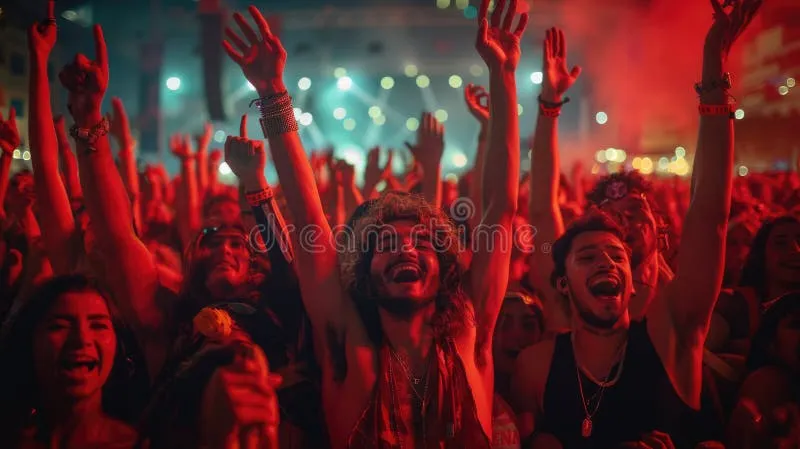
There's a moment that a lot of LaPac Boys fans describe in almost the exact same way. You're standing somewhere in the crowd — maybe it's a small venue, maybe it's a festival tent packed tighter than it should be — and something clicks. It's not just the music. It's the attitude behind it. The sense that these guys built something real without asking anyone's permission. And somewhere between the first hook and the last encore, a thought sneaks in: I could do that too.
For thousands of fans across the US, that thought didn't stay a thought. It became a home studio. A SoundCloud page. A local open mic slot. A whole community built around original music that wouldn't exist if they'd never stumbled into a LaPac Boys show.
The Ripple Nobody Planned
LaPac Boys never set out to be a blueprint. They were just doing their thing — grinding independently, releasing music on their own terms, building a fanbase without the safety net of a major label. But that's exactly what made the ripple effect so powerful. When you see someone succeed without following the traditional rulebook, it quietly dismantles the assumption that there even is a rulebook.
Jordan T., a 24-year-old producer from Atlanta, remembers the exact show that changed things for him. "I'd been messing around with beats on my laptop for years, but I always thought you needed a label deal or some kind of industry cosign to actually matter," he says. "Then I went to a LaPac Boys show and afterward I looked them up and realized — these guys just went for it. No gatekeepers. I went home that night and finished a track I'd been sitting on for eight months."
That track eventually became the foundation of Jordan's EP, which he self-released last spring. He's got a small but loyal following now, and he credits a lot of it to the mindset shift that one show triggered.
Bedroom Studios, Real Results
The stories have a familiar shape but wildly different details. In Columbus, Ohio, a 19-year-old named Maya started writing original songs after binge-watching LaPac Boys' behind-the-scenes content online. "They were so open about their process — like, they'd show the rough drafts, the mistakes, the stuff that didn't work," she says. "It made music feel less like this untouchable thing and more like something you just do."
Maya now plays acoustic sets at local coffee shops and recently dropped her first original single. She's already building her own small community of listeners — people who found her the same way she found LaPac Boys: through word of mouth and genuine connection rather than algorithm-chasing.
Out in Phoenix, a group of friends who bonded over LaPac Boys merch at a show two years ago now run a collective called Desert Static. They produce, record, and release music entirely on their own, using gear they pooled money to buy. "We basically reverse-engineered what we thought LaPac Boys might be doing," laughs Marcus, one of the collective's founding members. "We figured if they could do it, five broke dudes in Phoenix could figure it out too."
Desert Static has played three local shows and is currently booking a small regional run. The LaPac Boys energy is all over what they do — not in a copycat way, but in the confidence and the community-first approach.
The Content That Opened the Door
It's not just the live shows doing the heavy lifting here. A huge part of what's sparking this creator wave is the way LaPac Boys share their world online. Their behind-the-scenes clips, candid studio footage, and unfiltered commentary on the music-making process have functioned almost like free masterclasses for aspiring artists.
"I learned more about song structure from watching their content than I did from any YouTube tutorial," admits Deja, a 22-year-old singer-songwriter from Chicago who's been releasing music independently for about a year. "They talk about why they make decisions, not just what the decisions are. That's rare."
Deja's debut project has racked up a respectable number of streams for an independent artist with no promo budget, and she's quick to point out that her whole approach — building community first, selling music second — came directly from watching how LaPac Boys operate.
A Scene Within a Scene
What's really fascinating is how these fan-turned-creators are starting to find each other. Online forums, local meetups, even comment sections under LaPac Boys posts have become unexpected networking hubs for emerging DIY artists who all share the same origin story.
In cities like Nashville, Denver, and Portland, small scenes are quietly forming around people who connected over their shared love of LaPac Boys and then discovered they were all making music too. It's a scene within a scene — a creative ecosystem that traces its roots back to one band's refusal to wait for someone else to validate them.
"There's something kind of wild about realizing that the people you met at a show are now the same people coming to your show," says Marcus from Desert Static. "The community just keeps expanding."
What This Says About LaPac Boys
Here's the thing: none of this is happening because LaPac Boys ran some kind of mentorship program or launched a creator initiative. It's organic. It's the natural result of what happens when artists are genuinely authentic about their process and their journey.
The fans feel it. They don't just consume the music — they absorb the philosophy behind it. And when the philosophy is do it yourself, build your own thing, don't wait for permission, people tend to take that seriously.
For a band that's always operated on their own terms, the idea that their independence is now inspiring a whole generation of independent creators feels like the most fitting legacy imaginable. Not just fans. Artists. Builders. People who caught a spark at a show or through a screen and decided to run with it.
The bedroom beats are getting louder. The arenas might be next.