New Rules: How the LaPac Boys Forced the Music Industry to Rethink Everything It Thought It Knew About Signing Artists
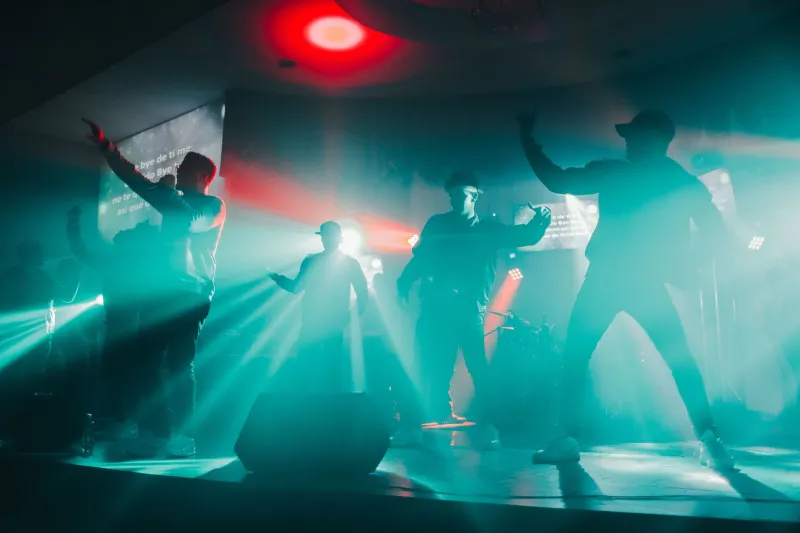
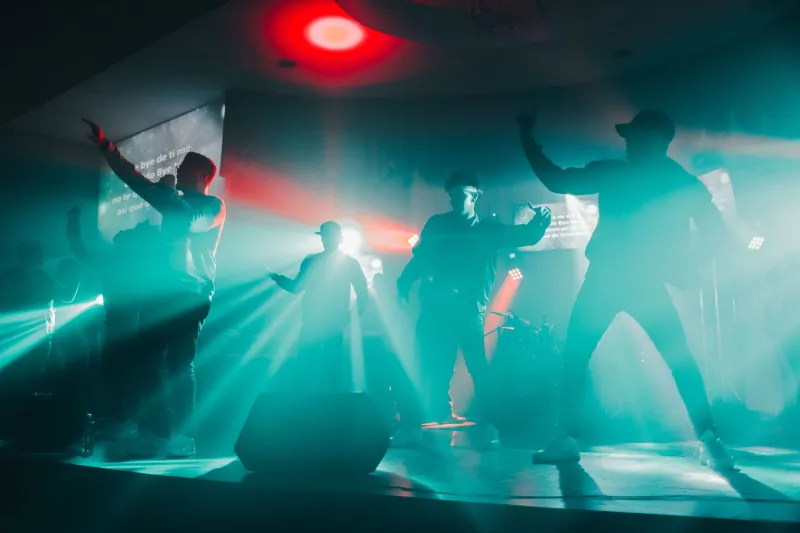
There's a version of the music business that existed before the LaPac Boys made noise on their own terms. Talent scouts had a formula. Labels had a checklist. Managers knew exactly what kind of packaging would get a meeting. Then the LaPac Boys happened — and somewhere between the parking lot cyphers and the festival main stages, that whole system started showing cracks.
In 2025, those cracks are full-on fault lines.
The Old Playbook Doesn't Work Anymore
For a long time, major labels were looking for the same basic ingredients: a breakout single, a polished image, a social media following that could be converted into streams, and an artist — or group — willing to hand over creative control in exchange for the machine. Clean, transactional, predictable.
The LaPac Boys didn't fit that mold. They built slow, built real, and built on their own terms. No label co-sign in the early days. No manufactured moment. Just a community of fans who showed up repeatedly because the music and the energy were genuinely worth showing up for.
Now? The executives who once passed on acts like them are scrambling to reverse-engineer what made it work.
"We had a whole tier system for evaluating groups," one A&R director at a mid-major label told us, speaking on background because they weren't authorized to comment publicly. "Streaming numbers, follower counts, press mentions — that was the trifecta. What the LaPac Boys proved is that a group can have a fraction of those numbers and still command more real-world loyalty than acts we were spending millions on. That broke something in how we evaluate."
Authenticity Is Now a Business Metric
It sounds like a soft, fuzzy concept — authenticity. Labels used to treat it like a marketing angle, something you bolted onto an artist's story in the press kit. But watching how LaPac Boys fans actually behave — the way they follow the group across cities, buy physical merch, show up to smaller venues with the same energy they bring to festival sets — changed the internal conversation at more than a few offices.
A&R professionals who cover hip-hop and adjacent genres have started building what some are calling "loyalty audits" into their discovery process. Instead of just measuring how many people follow an act, they're asking how those followers actually behave. Do they comment or just scroll? Do they travel for shows? Do they create content about the artist unprompted?
That shift traces back, in large part, to the LaPac Boys model.
"You can fake streams. You can buy followers. You cannot fake a sold-out room full of people who know every word," said one independent music consultant who works with emerging acts on deal negotiations. "Labels are finally starting to accept that. And honestly, the LaPac Boys are a big reason why."
Emerging Artists Are Negotiating Differently
Here's where the effect gets really interesting. It's not just labels changing how they scout — it's artists changing how they come to the table.
A new generation of acts, particularly in hip-hop and R&B, has watched the LaPac Boys trajectory closely. They've seen what it looks like to grow a real fanbase before signing anything, and they're using that leverage in ways that would have seemed almost impossible five years ago.
We spoke with three emerging artists — all currently in various stages of label conversations — who pointed to the LaPac Boys as a direct influence on their negotiation strategy.
"Before, you felt like you had to take whatever deal was offered because what else were you gonna do?" said one rapper based out of Atlanta who asked to remain anonymous while his deal is still pending. "Now I've got a template. I've seen what it looks like to build something real first. I'm not walking into these meetings desperate. I'm walking in with data."
Another artist, a producer-MC duo from Chicago, described turning down an initial offer from a major imprint specifically because the LaPac Boys had shown them what long-term independence could look like. "They made us believe we didn't have to rush. That's a mindset shift. That's real."
Labels Are Adapting — Or Trying To
To be fair to the industry side, some labels genuinely are evolving. The deals being structured in 2025 look meaningfully different from what was standard even three years ago. More flexible creative clauses. Shorter initial terms with clearer off-ramp options. Revenue splits that account for merchandise and live performance in ways that weren't common before.
Some of that is just the industry catching up to a changed market. But insiders consistently point to a handful of artist trajectories — and the LaPac Boys rank near the top of that list — as the proof-of-concept that forced those conversations to happen faster.
"There are internal decks at labels right now that use LaPac Boys as a case study," said a music attorney who has negotiated deals for several acts signed in the past 18 months. "Not officially. Not with their name in a PowerPoint. But the conversation is happening. 'How do we attract artists who've built what they built?' That question is reshaping entire A&R departments."
What This Means for the Next Wave
The most exciting part of all this — at least from where we're sitting at LaPac Boys Fan Zone — is what it means for the artists coming up right now. The acts in their bedrooms, in their cars, in community studios from Houston to Detroit to LA who are watching all of this unfold.
The message being sent, whether anyone intended to send it or not, is that you don't have to shrink yourself to get in the door. You don't have to hand over the keys before you've even built the car. You can create something real, grow something genuine, and walk into whatever room you walk into with actual power.
The LaPac Boys didn't set out to rewrite the industry rulebook. They were just doing what they do. But the effect is undeniable, and 2025 is shaping up to be the year the music business fully reckons with it.
And honestly? It's about time.